
2Baba’s Grass 2 Grace: The Nigerian Dream on Record
At the height of his powers, 2Baba made an album that captured the hopes, struggles, loves and frustrations of the Nigerian everyman.

We are back at the palace, the Och’Idoma’s palace. This is the home of the traditional ruler of the Idoma people, a major ethnic group living primarily in the lower western area of Benue State, Nigeria.
Its illustrious son is in the palace to perform. Unlike last time, when the fictional MC Akatua did not know who he was, 2Baba (then known as 2Face Idibia) returns after releasing a culture-shifting, seismic, canon album, Face 2 Face, released in 2004. Oh, allow me to add one other descriptive term - uber classic.
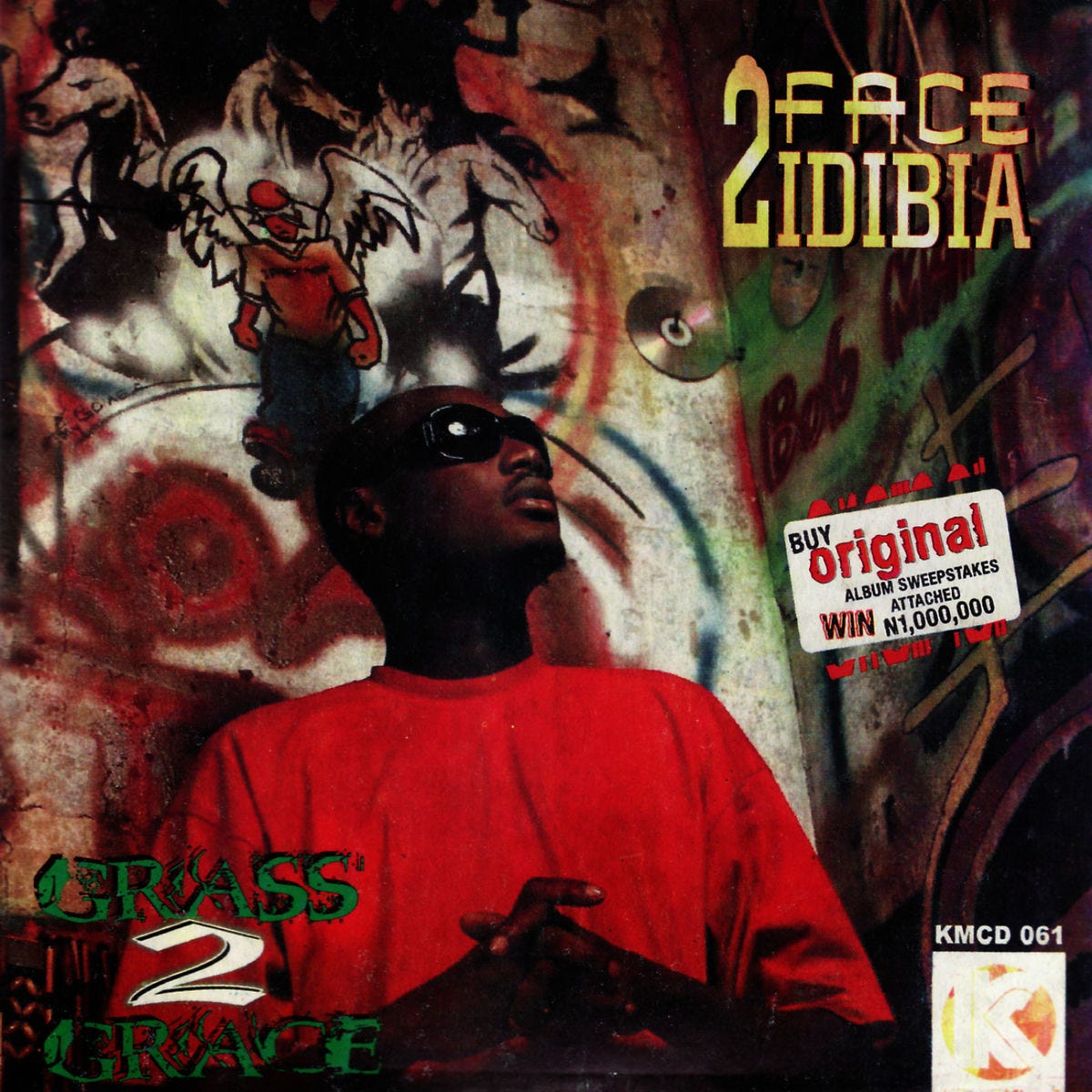
In December 2026, it would be 20 years since 2Baba released his sophomore album, Grass 2 Grace. Here is a point of frustration. How does one describe the brilliance of this second album after his debut album was earth-shattering, to say the least?
This famed second album embodies the sensibilities of the working man: the common man striving for peace and harmony with his neighbour, searching for love, navigating disappointment and disillusionment, and growing increasingly weary of the political class.
2Baba is not cosplaying an American rap star offering nauseating doses of materialism, sexism and consumerism. In this body of work, he serves up blue-collar pop, not built for the urban jungle of Lagos but intended to work as a cultural statement, a living document for all people in the boondocks, villages, towns, and cities in the Federal Republic.
After his historic debut album and his win of the MTV EMA Best African Act award in 2005, 2Baba was the biggest pop star in the land. The closest on his heels was Psquare, and despite the group’s dominance in Alaba market, Peter and Paul could not match 2Baba’s depth, penmanship and skill.
The boy wonder of Nigerian pop who could do no wrong entered 2006 with his name splashed across tabloids, not for his heavy bag of awards but his love of the fairer sex. Early in the year, 2Baba welcomed his first two kids, Nino Idibia, with Sunmbo Adeoye (formerly Sumbo Ajaba) and Ehi Idibia with Pero Adeniyi.
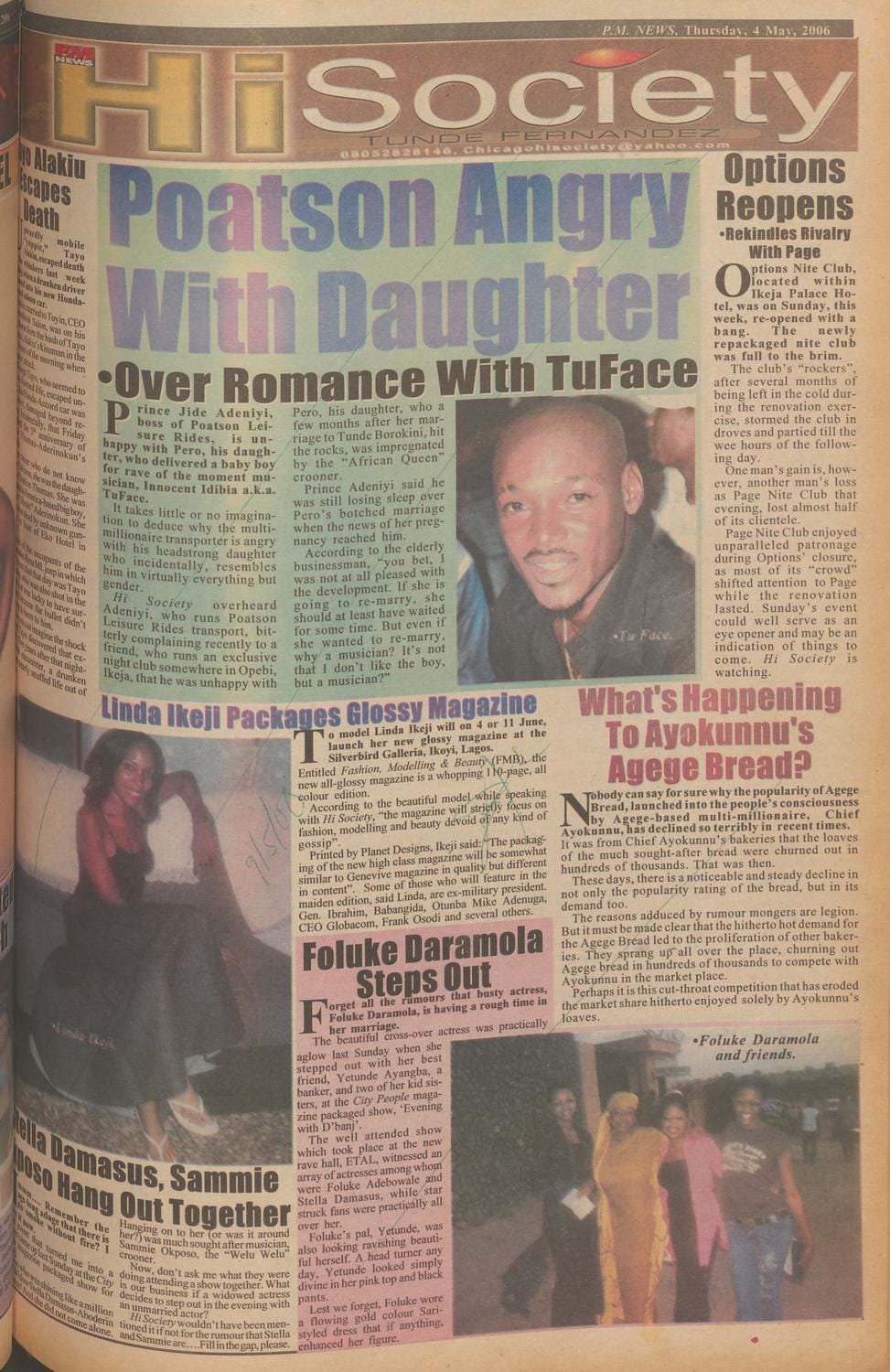
2face Idibia has always been a heartthrob, a millennial sex symbol. In the early 2000s, he was in a relationship with Vien Tetsola, Miss Nigeria 2000. Circa 2005, he was rumoured to be dating actress Caroline Ekanem, a relationship that likely began when they starred in the movie, The Twist.
His young-man-down-the-street charm, hint-of-trouble twinkle in his eye, lean build and chiselled face began to wear thin with Nigerians, who were yet to embrace the baby-mama phenomenon.
Apart from troubles in the lady department, some detractors believed that 2Baba’s solo success was down to the might and power of the Kennis Music machinery rather than his ingenuity as an artist. The chances he could deliver another spectacular album became a cultural conversation amplified by the success of Independent by Faze, the former Plantashun Boiz member who had a few things to say about the group’s breakup.
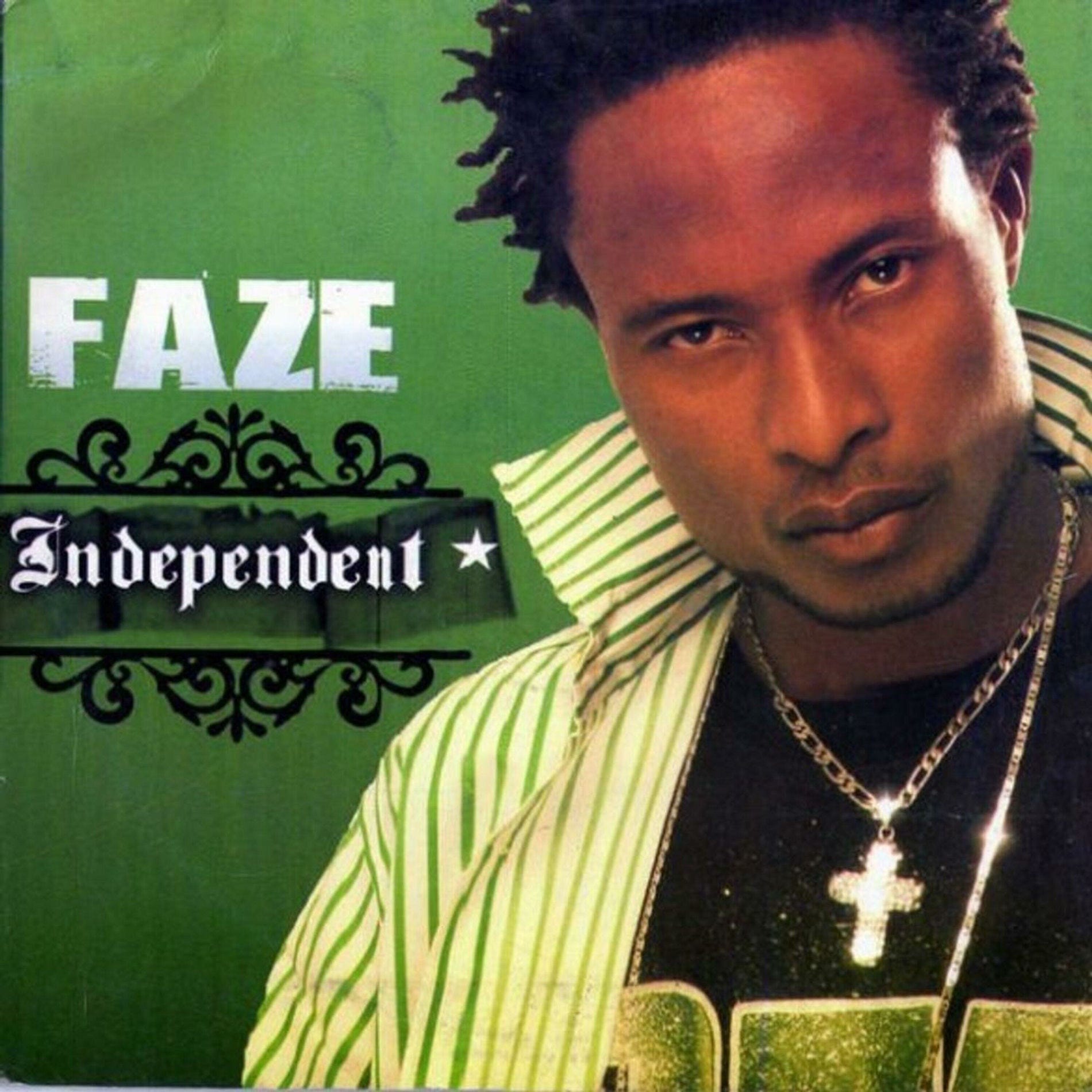
The fact that Independent was released in October 2006, two months before 2Face’s second joint, must have piled on the pressure.
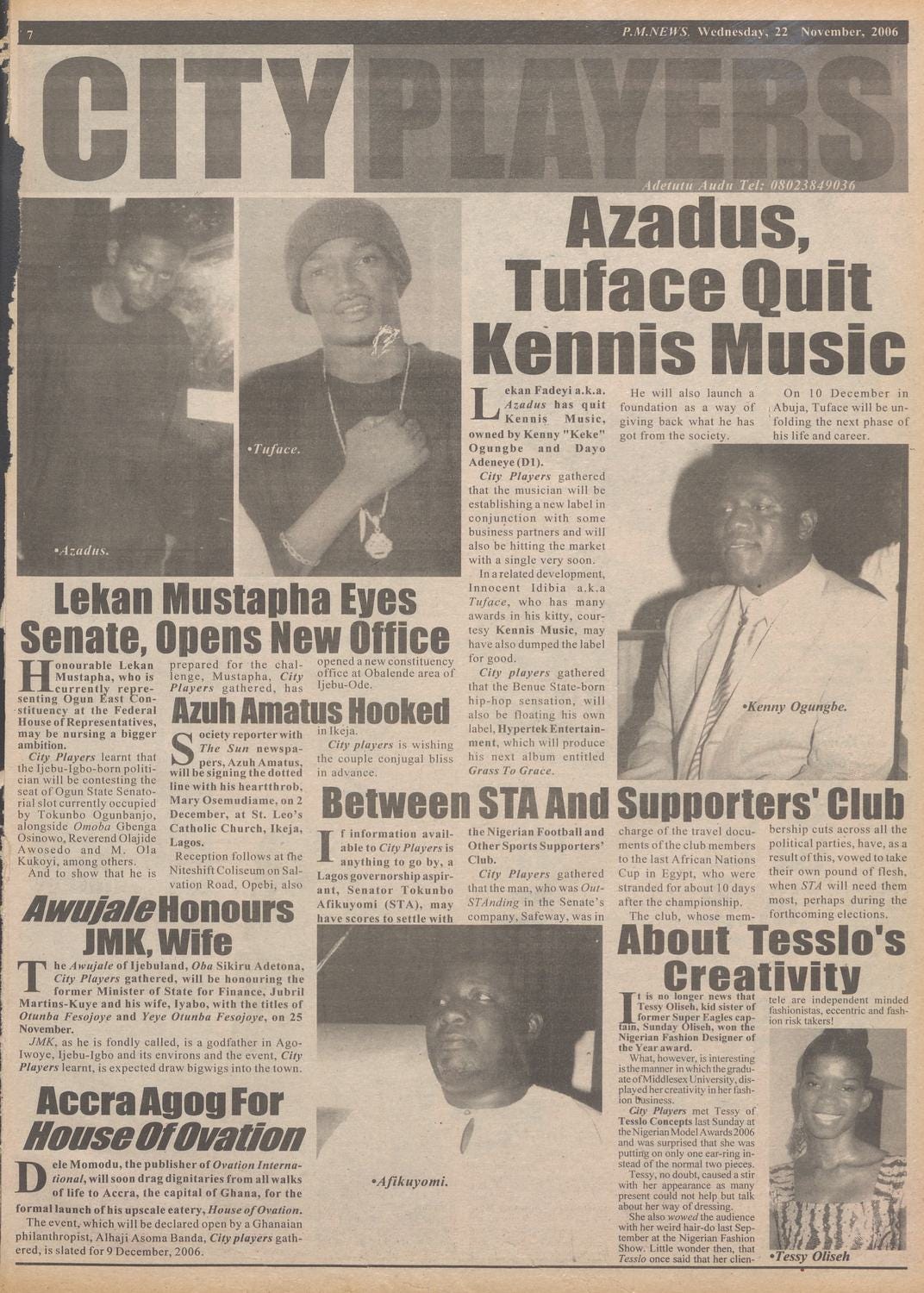
To add to the plot, on Wednesday, November 22, 2006, Adetutu Audu of PM News reported that Kennis Music acts Azadus and 2Face Idibia had left Kennis Music, then the foremost record label for the burgeoning Afrobeats scene.
“City Players gathered that the Benue State-born hip-hop sensation will also be floating his own label, Hypertek Entertainment, which will produce his next album entitled Grass To Grace.
“He will also launch a foundation as a way of giving back what he has gotten from the society.
“On 10 December in Abuja, Tuface will be unfolding the next phase of his life and career,” wrote Audu.
Grass 2 Grace came out on December 8, 2006, but not on 2face’s vanity imprint but on Kennis Music, which would be his last for the Kenny Ogungbe and Dayo ‘D1’ Adeneye label.
In usual fashion, 2Baba’s new album was received slowly. The lead single, ‘4 Instance,’ released months earlier, did not generate resounding cheers from the public. Today, it is regarded as a masterclass in Afrobeats flow. Wande Coal might have institutionalised the concept of ‘flow’ as an essential skill for a top-tier Naija pop singer, but ‘4 Instance’ shows 2Baba was at least three years ahead of the curve.
This is what I wrote about the lead single in my list of The 30 Best Politically Conscious Songs (from 1998).
“A whistle, thick snares and ample guitar work, orchestrated by the maestro OJB Jezreel, sees 2Baba reverse his role from a common man to a political leader. He asks himself crucial questions about whether he will make decisions that will better the lives of his people. He snaps out of his trance and, from his lowly position as a commoner, indicts the Nigerian contraption. This song earmarks 2Baba’s maturity as a pop act who could deliver songs that stray away from the tropes of Afrobeats acts.”
2Baba was not rhyming for rhyming’s sake. He was using it as a device to speak on the corruption of the ruling class. The subject matter of the lead single was indicative of Grass 2 Grace’s depth and maturity.
An average pop fan who worships at the altar of Innocent Ujah Idibia knows by now that he has a preference for reggae and its various offshoots, from roots reggae and lovers rock to dancehall. On his first album, he tilted more towards his R&B side, maybe due to OJB Jezreel’s influence and his desire not to sever the stylistic chord of Plantashun Boiz.
On Grass 2 Grace, 2Baba shifted to Jamaican-influenced, earthy sounds, showcasing his ability as both a writer and vocalist to deliver weightier concepts that resonated with Nigeria’s mainstream audience. An important reason these songs resonated was the production by OJB Jezreel, who would deliver a second-peat epic performance with the former boy-band singer.
Grass 2 Grace starts with ‘One Love.’ A male Jamaican voice begins with, “Remember there is only one race, and that is the human race.” A moody guitar riff accompanies 2Baba’s wailing, anchored by a steady drumline, genre-standard snare work and the slithering rattle of a snake. When he starts to sing, OJB Jezreel adds a throbbing, persistent synth before injecting horns into the mix.
2Baba begins with disillusionment after the report of a murder on CNN. “I could not comprehend. So I said to myself maybe the world is coming to an end,” sings the Idoma prophet. His voice encapsulates the confusion he sees in the world. In the second verse, his penmanship further sinks you into the moodiness of the album opener as he sings, “We all are on death row. We just passing through a journey to wherever we go. Why don’t we make that place heaven? And that heaven is this very place that we living in.” Sheesh!
An R&B/pop act singing a Reggae song about the utopia of a world united by one love is one hell of a plot twist no one saw coming in 2006. Sprinkled with a painful refrain sung in Idoma, 2Baba midwifed the maturity of this generation’s pop music.
‘See Me So’ is a more joyful, bouncy Reggae-influenced tune. With OJB Jezreel on the boards, 2Face Idibia sings about the importance of brotherly love and trust. He starts off being passive-aggressive and even curses (a rarity), then offers a friendly hand to the next man. ‘See Me So’ is a sing-along, light song that still carries weight because of its subject matter. OJB Jezreel once again makes this Jamo-sound so palatable to the Nigerian palate.
After the only skit on the album, ‘E Be Like Say,’ featuring one-hit wonder Soul E comes to play. If you are to distil 2Baba’s albums into five songs, this song would definitely be among them. It is one of the best examples of 21st-century songwriting. In the first verse, you would be right to assume this is a love song about a relationship on the verge of cracking under the weight of mistrust. But in the second verse, 2Baba shows his hand.
He ends his extended metaphor to unmask who is really talking to - the villains of Nigerian existence, politicians. “Because they think the money gives them the power/But the power is nothing/If your people cannot get quality education,” he says damningly.
2Baba, as a wise, seasoned man, sees through the tricks of the political class and mocks them for begging for votes as the election season is near. Grass 2 Grace was dropped four months before the 2007 general election that ushered in the forgettable and sickly Umaru Yar’Adua of the ruling People’s Democratic Party (PDP) as president. On July 27, 2006, Lagos State politician Funsho Williams was assassinated.
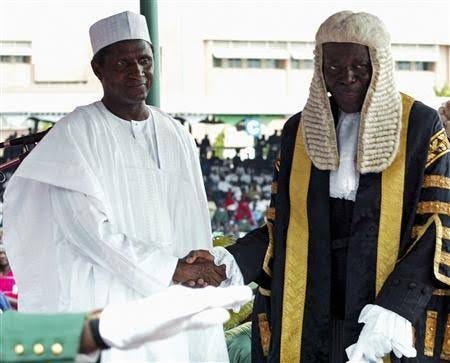
These two events earmark 2Baba’s sophomore at both ends. Contextually, this album reflects the brutish, do-or-die attitude of politicians during electoral season.
Side note - Legend has it that Soul E had more vocal contributions on the song, but his performance outshone 2Baba’s, so his effort was later mixed down. It has neither been confirmed nor denied.
Grass 2 Grace has cornerstone philosophical, socio-political and conscious deep cuts in 2Baba’s unrivalled discography. It also has some of his most heartfelt love records.
The pick of the litter on this album is ‘True Love.’ “Now there’s an emptiness inside of my soul. And they say my melliness (?) dey start to show. And God knows I cannot take it no more,” bellows 2Baba from the depth of his despair over OJB Jezreel’s drum-led production, peppered with twinkling keys.
“See, na she bin dey make my head bin dey swell. Now that she’s gone, I feel like jumping in a well. Oh, I cannot take it no more,” sings the sex symbol achingly like a true toxic lover.
The consummate yearner, the Lothario of his time, the playboy cursed with the undiscriminating loins of King David, the restless libido of Solomon now begs for companionship and exclusivity. His vocal performance on this track stands as one of his very best.
‘I Dey Feel Like’ is a roots-rock love affair. Through a series of playful political and cultural allusions, 2Baba measures the power of romantic devotion against the power of presidents, billionaires and revolutionaries. He sees his angel’s love for him as strength to exist in the most powerful version of himself.
This song loses a bit of its swing, bounce and effect when he mentions names from the same political class he criticised on this album. Atiku Abubakar, a politician who has been running for the presidency since 1993, has had his fair share of allegations over the decades. Jolly Nyame was a former governor of Taraba State from 1999 to 2007. In 2018, Nyame was convicted of diverting about ₦1.6 billion in public funds during his tenure as governor and sentenced to prison. The Supreme Court upheld his conviction and 12-year sentence in 2020.

Even our current infamous leader, President Bola Ahmed Tinubu, gets a shout-out. His use of political allusion is indicative of his murky relationship with Nigerian politicians over the years.
The calmer, folksy ‘If Love Is A Crime’ is another yearner’s anthem as 2Baba seeks the affection of who he describes as his perfect partner. Even if saying his love interest is a virgin might be a bit Nollywoodsy, it is this sensibility that made 2Baba a true national pop star: his ability to reflect the attitudes of conservative Nigeriana is what endears him to millions of people outside the limited urbania worldview propagated by the liberal disposition found in cities like Lagos.
2Baba does not abandon urbania completely in his pursuit of peace, brotherly unity and love. On the imposing ‘No Shakin’, he sings about the ultimate vocation of the millennial and Gen-Z generations - hustling. “My guy, na your eye go sharpen/Because e be like say e don dey happen (Eh)/No shaking, nothing dey happen/Nobody wan kpai, but they wan go heaven,” is a culturally coded chorus that doubles as a two-person convo legible to those born largely in Nigeria’s millennial urban youth culture.
There is a dignity and pride in the way 2Baba sings about hustling, devoid of the slime and grime that permeate much of today’s contemporary pop music. ‘No Shakin’ is gbedu for the common man willing to roll up his sleeves, put in a good day’s shift and let loose afterwards.
This blue-collar mentality is why some members of the listening audience baulked at the idea of 2Baba as Nigeria’s definitive pop star when he broke out on his own in 2004. His unabashed commitment to being a commoner and openness to speak about his unfinished educational ambitions on ‘Nfana Ibaga ’ didn’t necessarily endear him to the upper class or to those aiming to be part of the establishment.
2Baba’s archetype as an everyday man with God-given talent unaffected by fortune and fame, however, endeared him to a vast number of people, making him the most loved singer of his generation.

His doubling down on his worldview and simplicity made Grass 2 Grace a classic album designed for people in the middle and lower classes who possessed enough dignity, pride and belief in themselves not to join the rat race that has consumed Nigerian life as we know it today.
Grass 2 Grace is not an album for the overly ambitious trying to outrun the deepening divide by any means necessary. This unpretentious album aims for love, companionship, peace among all men and a political system that benefits all.
This might be the closest we get to a version of the Nigerian Dream on record, a utopia that would be scoffed at today, but back in 2006, 2Baba made it sound so damn good and achievable; a dream that should rightly end with the Highlife pop record, ‘My Love’ featuring the Ghanaian group VIP.
Grass 2 Grace is peerless - not only in Afrobeats - but in Nigerian music’s century-old existence. This is the album that pushes 2Baba into the realm of the undebatable greats - Rex Jim Lawson, Majek Fashek, Sunny Okosun, etc. Even the Nigerian pop albums of the 1980s, the genre’s formative decade, cannot match the ingenuity of his sophomore album. You would have to go back to the 1970s to find another legendary singer with an understanding of inner-city life and the common man’s sensibility. That man also comes from Oturkpo, Benue State. His name is Bongos Ikwue.
EPILOGUE
2Baba achieved a rare feat in music: scoring a sophomore classic after his classic debut album.
Grass 2 Grace would, however, mark the end of an era in 2Baba’s career. His affairs outside of music would greatly affect how the public perceived him. The pop pin-up star’s baby-mama drama overshadowed his musical brilliance.
Then, on October 4, 2007, on his way back to FESTAC after winning the MOBO Best African Act award in London, he was attacked by armed men and shot in his left thigh.

A year later, his pop middle-class blueprint was forsaken by an urban-driven, brash style of pop music that narrowed the spectrum in taste and attitude towards life - a sort of perversion of 2Baba’s Nigerian dream. It was the year D’banj dropped his best album - The Entertainer.
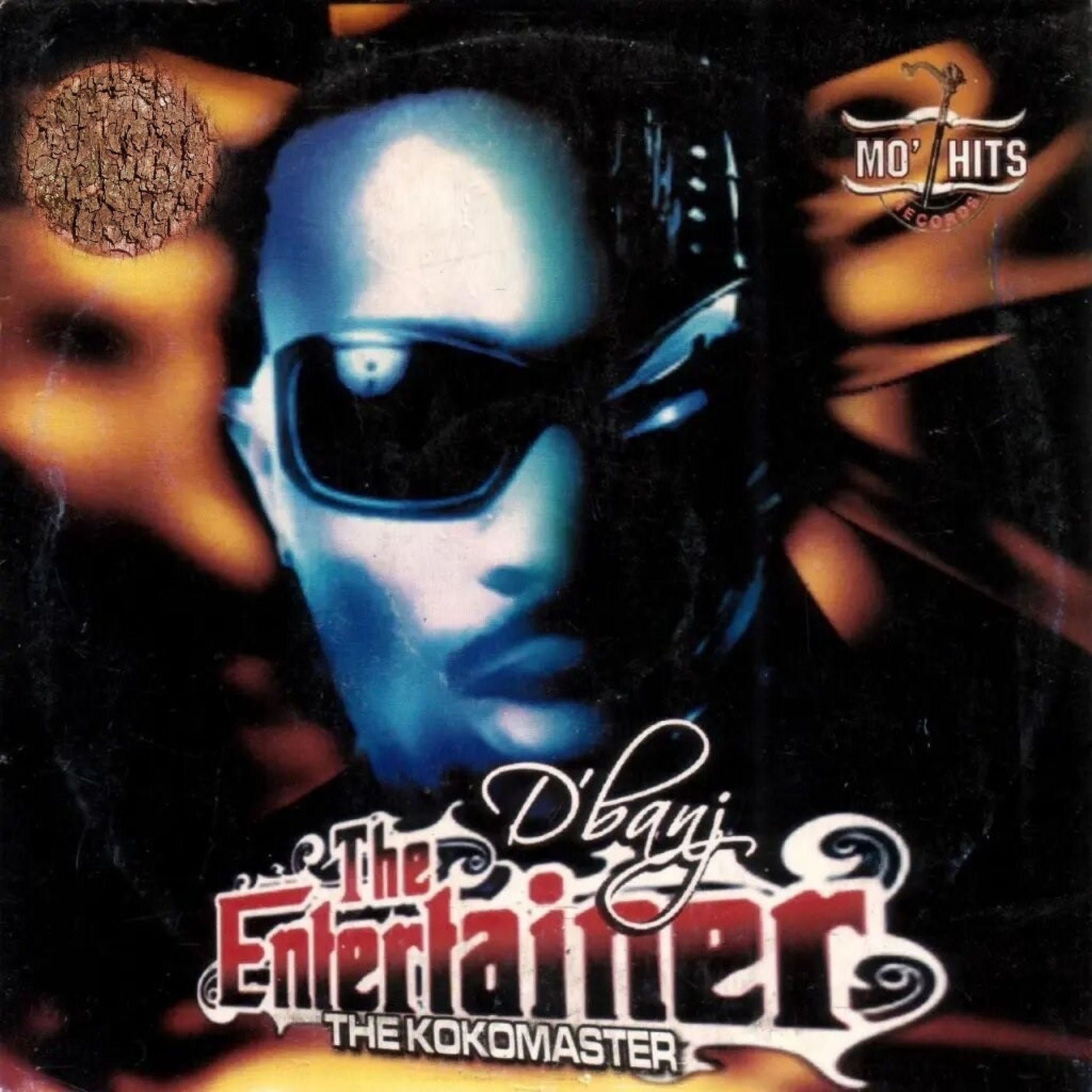
Since 2004, Mo’ Hits Records, spearheaded by the brutalist production of Don Jazzy and the erotic showmanship of D’banj, had been pushing its brand of Naija pop - club-driven, highly dance-oriented music to the masses. The lifestyle was ambitious, fast-paced and built on the Hip-hop template of mo money, mo women and mo cars. Its ethos was a lust for life.
Mo’ Hits finally got the missing piece to its formula when the chubby Wande Coal was added to its roster. His unrivalled ability to stretch melodies, flow, and enter different rhythmic pockets was what sold the Mo’Hits capitalist Afrobeats fully to the masses.
In 2009, Afrobeats would change forever with Mushin 2 Mo’ Hits, ushering in a new generation of stars, Wizkid, Davido, etc who would use this brash, licentious brand of pop to push Nigerian music into global spaces.
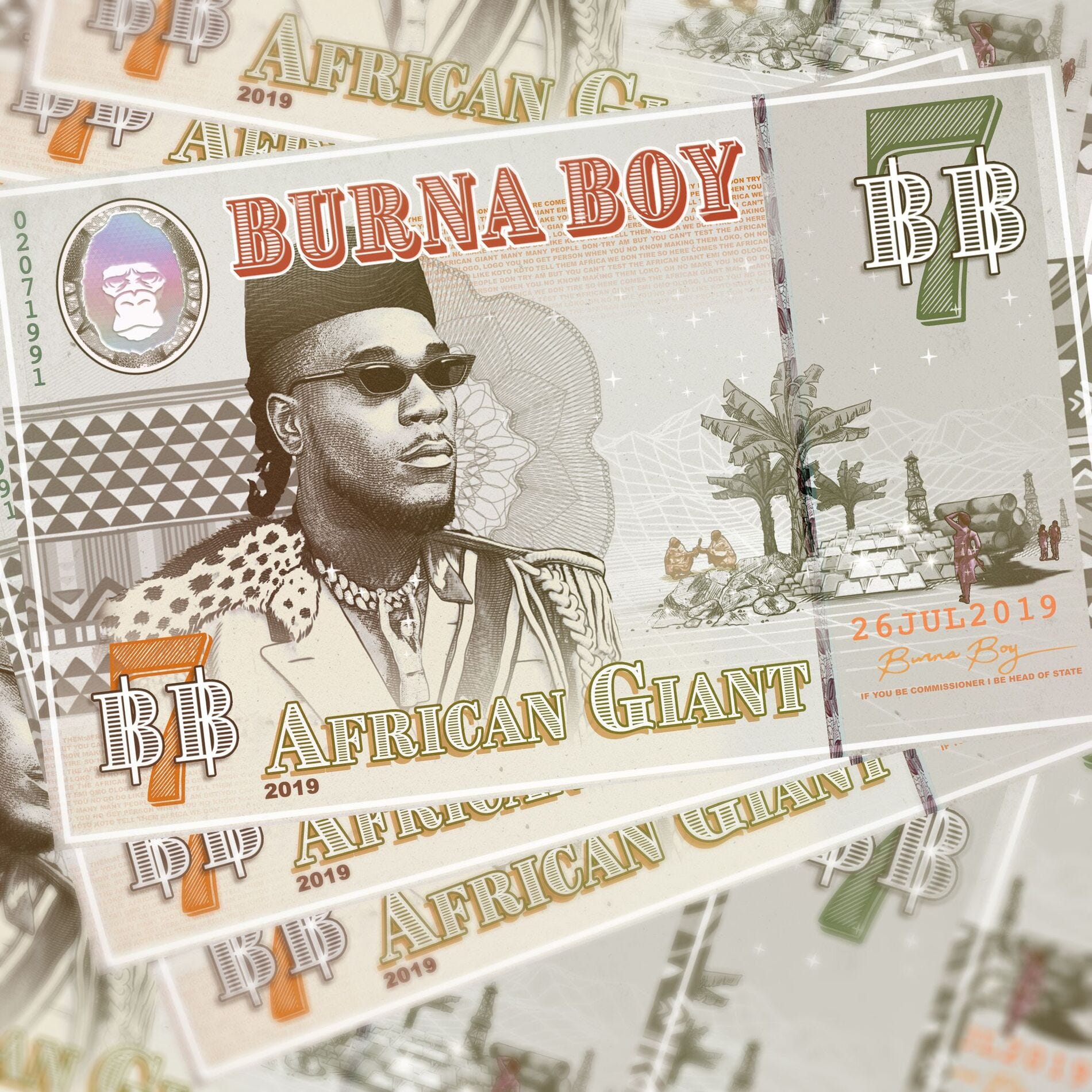
It would take exactly a decade for Afrobeats to nearly replicate what 2Baba offered on Grass 2 Grace. Burna Boy’s fourth studio album, African Giant, is a hybrid of the consciousness of the former Plantashun Boyz’s singer and the uglier attributes of Hip-hop culture. ‘Anybody’ is far from brotherly unity or harmony. ‘Killin Dem’ featuring Zlatan, a cornerstone record in Burna Boy’s repertoire, is derived from the culture that plagued Nigerian universities in the 90s.
2Baba did not quietly fade into nostalgia. His bloated third LP, The Unstoppable, suffered from a lack of elite production spearheaded by OJB Jezreel and public backlash for his controversies with women.
Innocent Idibia took stock and recalled his earlier manager, Efe Omoregbe, to handle his affairs once again. The talent manager repaired 2Baba’s public image with one hell of a magazine cover (shout-out to Bayo Omisore), and repositioned him as a premium act. Omoregbe trimmed the fat from Unstoppable, added new singles, and reworked it into The Unstoppable International Edition, released in 2010. Packaged in a jewel case, the album sold for N1,500. The average price of a Nigerian album on CD was N150. The Unstoppable International Edition won the Album of the Year and R&B/Pop Album categories at the Headies. The King was back.
*If you enjoy The Naija Way, help us keep the stories coming — your support keeps the culture alive by donating HERE
Amazing readddddddddddddddddddddddddddddddddddddddddddddd...as always!!
The depth of this piece! Only an Eagle fit see wetin you see, my G. I was a fly on many walls during this era. Thank you for this.